No products in the basket.

Oriental novels and poetry: Gibran's Le Prophète, Maalouf, Leïla Slimani, Kamel Daoud, Ben Jelloun, Rumi and the Nights. Travel from Fez to Samarkand.
The oriental novels and poetry section brings together authors born in Morocco, Algeria, Lebanon, Iran or Turkey. Their books tell of family, exile, war, love and faith. Many of these novels were written directly in the French language.
Amin Maalouf, born in Lebanon, brings the past back to life in his historical novels. “Léon l’Africain” follows a traveller born in Granada at the end of the fifteenth century. “Samarcande” goes in search of a manuscript by the Persian poet Omar Khayyam. Maalouf won the Prix Goncourt in 1993 and is a member of the Académie française.
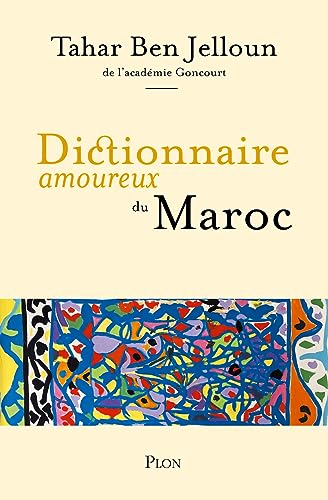
Leïla Slimani, born in Rabat, won the Goncourt in 2016 for “Chanson douce”. Her trilogy “Le Pays des autres” tells the story of a Franco-Moroccan family over several generations. Kamel Daoud won the 2024 Goncourt with “Houris“, a novel about the Algerian civil war of the 1990s. Tahar Ben Jelloun, born in Fez, had won it in 1987 for “La Nuit sacrée”.
Poetry holds a large place. Rumi, a thirteenth-century Persian poet, wrote thousands of lines on love and the search for God. Khalil Gibran’s “Le Prophète”, published in 1923, gathers 26 short texts on love, work, children and friendship. The One Thousand and One Nights add the tales that Scheherazade tells the king every night to stay alive.
Start from what you like to read. If you enjoy family stories, Leïla Slimani’s trilogy reads like a saga. If you prefer adventure, Amin Maalouf’s novels take you from Granada to Samarkand. If you are looking for a short book, “Le Prophète” runs to about a hundred pages.
For poetry, choose a bilingual edition when one exists. The original text and the French translation face each other, page by page. This way you can compare the two and hear the music of the verse, even without speaking the language. Rumi wrote in Persian: his French translations differ greatly from one translator to another.
Look at the translation too. The One Thousand and One Nights exist in several versions: the one by Antoine Galland, published in the early eighteenth century, adapts the tales to the taste of his time. More recent translations, closer to the Arabic text, keep passages that Galland had left out.
Finally, think about the format. A paperback slips into a bag for reading on the train. An illustrated edition of the One Thousand and One Nights, with engravings or illuminations, is kept and handed down from one generation to the next.
For a first gift, Khalil Gibran’s “Le Prophète” appeals to almost everyone. Its short texts are read one at a time, in the evening or in a moment of doubt. It is often given for a wedding or a birth, because it speaks of love, children and friendship.
A fiction reader will enjoy a Prix Goncourt winner, such as “Houris” or “La Nuit sacrée”. “Meursault, contre-enquête”, by Kamel Daoud, answers Albert Camus’s “L’Étranger” by giving a voice to the brother of the Arab killed in the novel. For the facts, “Les Croisades vues par les Arabes”, by Amin Maalouf, complements our books on Middle Eastern history.
For a lover of mystical poetry, a collection by Rumi accompanies quiet moments. After his death, his followers in Konya founded the order of the whirling dervishes, who pray by spinning on the spot. For a reader studying the language, a tale from the One Thousand and One Nights in a bilingual edition goes well with our methods for learning Arabic.
For a more complete gift, pair a novel with a collection of poems from the same country: Morocco, Lebanon or Iran. “Samarcande”, for example, continues nicely with a collection of Omar Khayyam’s quatrains. You will find more titles among all our oriental books.